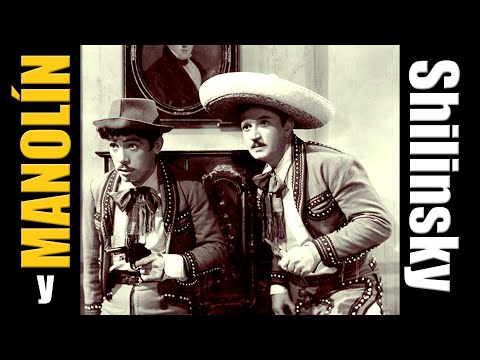
Manolín y Shilinsky, los amos de la risa || Crónicas de Paco Macías
The Legacy of Manolín and Shilinsky in Mexican Cinema
Introduction to the Comedic Duo
- The video introduces Paco Macías discussing the iconic comedic duo from the Golden Age of Mexican cinema, Manolín and Shilinsky, who starred in approximately eight films together.
- Their popularity stemmed from their genuine acting talent, which resonated with audiences during their time.
Early Life of Estanislao Shilinsky
- Estanislao Shilinsky was born on August 10, 1911, in Lituania and arrived in Mexico via a circus caravan in the mid-1920s.
- He began his comedic career at Teatro Salón Valentina, where he worked alongside notable figures who fled the Bolshevik Revolution.
Personal Life and Relationships
- Shilinsky married Olga, who admired his ability to write sketches inspired by foreign films; they met during performances at a tent show.
- His connection with Mario Moreno Reyes (Cantinflas), whom he became related to through marriage, solidified their partnership as they navigated the entertainment scene together.
Career Development and Collaborations
- In 1935, both actors left Valentina's variety show for Salón Maya, where Cantinflas developed his unique speaking style under Shilinsky's influence.
- They gained significant popularity performing alongside major orchestras and transitioned into film by 1936.
Film Contributions and Notable Works
- Their first film collaboration was "No te engañes corazón" (1937), followed by several others including "Cantinflas Boxeador" and "El Gendarme Desconocido."
- The duo appeared together in various successful films throughout the late 1930s to early 1940s that showcased their comedic talents.
Rise to Fame as Manolín y Shilinsky
- By 1947, they had established themselves as a prominent comic pair known as Manolín y Shilinsky within Mexican cinema's Golden Age.
Manolín and Shilinsky: A Legacy of Laughter
Early Career Highlights
- Manolín gained popularity between 1947 and 1955, known for his high-pitched laugh and childlike voice. His catchphrase "fíjate qué suave" became the title of his first film with Chylinski.
- The duo starred in several films, including "Pobres pero sin vergüenzas" (1949) and "Nosotros los rateros" (1951), showcasing their comedic talents alongside Patricia Morán.
- An actress shared fond memories of working with Manolín and Chylinski, highlighting their pleasant personalities and talent in the film industry.
Notable Collaborations
- The actress described Chylinski as a serious yet pleasant person, while praising Manolín's innocent comedic style. Their collaboration resulted in successful films that resonated with audiences.
- In 1953, they appeared in "Ahí vienen los gorrones," directed by Gilberto Martínez Solares, featuring a star-studded cast including Lilia del Valle and Clavillazo.
Later Works and Impact
- Their final joint appearance was in "Pancho López" (1957), after which both actors continued to pursue individual careers while occasionally reuniting for performances.
- They were celebrated for their versatility across radio, television, and film. Manolín also lent his voice to various dubbing projects during this time.
Personal Lives and Family Legacy
- Estanislao Shilinsky had four children who inherited his creative talent. He identified as Russian by origin but Mexican at heart.
- By the mid-'80s, Shilinsky's health declined significantly; he passed away on September 27, 1985.
Final Years of Manolín
- Manuel Palacios (Manolín) lived a humble life with his family until he faced health challenges due to throat cancer. He died on March 27, 1977.
- Despite health issues later in life, Manolín remained beloved by fans for his contributions to comedy alongside other notable comedians from Mexico.
Recognition of Their Work
- The legacy of these artists is significant; their work continues to be recognized for its impact on Mexican entertainment history.
Understanding the Impact of Climate Change
Introduction to Climate Change
- The speaker introduces climate change as a pressing global issue, emphasizing its widespread effects on ecosystems and human societies.
- A brief overview of the scientific consensus regarding climate change is presented, highlighting the role of greenhouse gases in global warming.
- The urgency of addressing climate change is underscored, with references to recent extreme weather events as evidence of its impact.
Causes of Climate Change
- Human activities, particularly fossil fuel combustion and deforestation, are identified as primary contributors to increased carbon emissions.
- The speaker discusses how industrialization has accelerated climate change since the 19th century, leading to significant environmental degradation.
- Natural factors such as volcanic eruptions and solar radiation variations are acknowledged but deemed insufficient to explain current trends.
Effects on Ecosystems
- Changes in temperature and precipitation patterns are affecting biodiversity, with many species facing extinction due to habitat loss.
- Ocean acidification resulting from increased CO2 levels is highlighted as a critical threat to marine life and coral reefs.
- The speaker notes that altered migration patterns among wildlife indicate ecological shifts caused by climate change.
Societal Impacts
- Vulnerable populations are disproportionately affected by climate-related disasters, exacerbating existing social inequalities.
- Economic implications include damage to infrastructure and increased costs for disaster response and recovery efforts.
- Public health risks associated with climate change are discussed, including heat-related illnesses and vector-borne diseases.
Solutions and Mitigation Strategies
- Transitioning to renewable energy sources like solar and wind power is emphasized as a crucial step toward reducing carbon footprints.
- The importance of international cooperation in implementing policies aimed at emission reductions is stressed throughout the discussion.