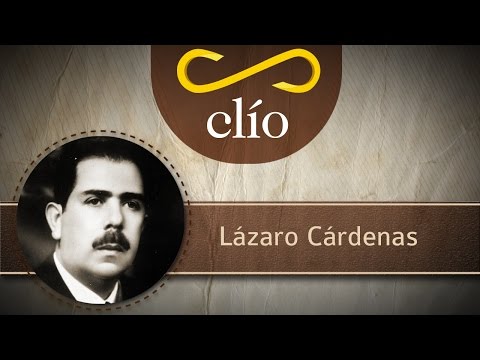
Minibiografía: Lázaro Cárdenas
Lázaro Cárdenas: A Revolutionary Leader
Early Life and Background
- Lázaro Cárdenas was born in 1895 in Jiquilpan, Michoacán, as the son of Damaso Cárdenas, a merchant. He left school at age 13 to assist his father.
- After his father's death in 1911, he became the head of his family at just 15 years old amidst economic hardship.
- During the Mexican Revolution in 1913, despite being sent away for safety by his mother, he joined rebel forces against Victoriano Huerta.
Rise to Power
- In 1920, Cárdenas supported the Plan of Agua Prieta against Venustiano Carranza and later gained recognition for his military efforts.
- By 1928, at age 32, he became governor of Michoacán and initiated significant agrarian reforms that redistributed land more effectively than previous governors.
Presidency and Reforms
- Cárdenas assumed the presidency on December 1, 1934. He worked to displace Plutarco Elías Calles from power over a year-long struggle.
- His administration focused on extensive social programs and land redistribution that dismantled large estates (latifundios), establishing collective ejidos as a primary form of land tenure.
International Influence and Nationalism
- In response to international events, such as supporting the Spanish Republic during its civil war and accepting refugees into Mexico, Cárdenas enriched Mexico's cultural landscape.
- The pinnacle of his nationalist policies occurred in 1938 with the expropriation of foreign oil companies following labor disputes.
Legacy and Later Years
- After leaving office, Cárdenas reflected on his efforts to serve Mexico's needy population by redistributing wealth and canceling privileges.