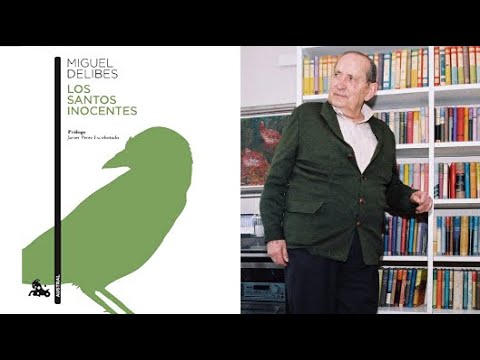
Un Libro una hora 65: Los santos inocentes | Miguel Delibes
Introduction to "Los Santos Inocentes" by Miguel Delibes
Overview of Miguel Delibes
- Miguel Delibes was born in Valladolid on October 17, 1920, marking his centenary celebration.
- He is known for several notable works including "La sombra del ciprés es alargada," which won the Nadal Prize in 1948, and other significant novels like "Cinco horas con Mario" and "El hereje."
- His writings also include impactful articles and speeches, such as his entry speech at the Academy titled "Un mundo que agoniza," addressing environmental and ethical concerns.
Significance of "Los Santos Inocentes"
- The novel was published in 1981 and is recognized for its innovative narrative style.
- It has been adapted into a film directed by Mario Camus featuring actors Paco Rabal and Alfredo Landa; however, the novel itself offers a deeper emotional experience.
Themes and Characters in "Los Santos Inocentes"
Character Dynamics
- The story begins with Azarías, who struggles against societal expectations regarding education for boys.
- Azarías's character is depicted through his humble lifestyle, wearing patched trousers and often going barefoot.
Narrative Style
- The writing process of "Los Santos Inocentes" evolved from an earlier short story published in May 1963 to a more complex narrative structure by 1981.
- The text features experimental elements that blend realism with poetic language, challenging traditional storytelling forms.
Daily Life Depicted in the Novel
Azarías's Routine
- Azarías performs various tasks such as cleaning cars for the señorito (landlord), caring for animals, and managing household chores early each morning.
- His interactions with animals reflect his nurturing nature; he tends to birds like perdices (partridges), showcasing a connection to nature amidst harsh realities.
Emotional Undertones
- Despite his routine life filled with responsibilities, there are moments where Azarías experiences deep emotional connections with the creatures he cares for.
- His pride surfaces when discussing hunting successes but contrasts sharply with feelings of vulnerability during personal struggles.
Conclusion: A Life of Struggle
Reflection on Existence
- The narrative illustrates a cyclical existence marked by monotony yet punctuated by fleeting moments of joy or despair experienced by Azarías over time.
- This portrayal invites readers to reflect on broader themes of social class disparity and human resilience within oppressive environments.
The Struggles of Azarías and the Life in the Cortijo
Emotional Turmoil and Loss
- Azarías experiences deep sorrow as he learns from the señorito that his beloved mago del almendral is old, prompting him to run away in distress.
- He attempts to find solace by counting valve caps but is interrupted when he finds a dead owl, which he later hides in his jacket.
- The emotional weight of loss is evident as Azarías places the owl into a hole under an oak tree, reflecting on life and death.
Caregiving and Responsibility
- Azarías shows tenderness towards a young girl, holding her close while trying to comfort her amidst their chaotic surroundings.
- His nurturing nature is highlighted as he gently scratches the girl's head, indicating a bond formed through shared hardship.
Education Aspirations
- Paco el Bajo expresses hope for his children’s education, believing that learning could lift them out of poverty; this reflects broader themes of aspiration within rural life.
- The narrative reveals efforts made by local authorities to combat illiteracy by bringing city teachers to educate children during summer months.
Daily Life Challenges
- As they prepare to return home, there’s a sense of urgency and chaos with children being loaded onto carts while dealing with the incessant cries of the young girl.
- The struggle for normalcy continues as Paco rides alongside them, emphasizing his protective role amid their tumultuous journey back home.
Social Commentary on Class Disparities
- The text critiques social inequalities through characters like Nieves who aspire for better opportunities despite their humble beginnings; it highlights systemic issues affecting rural communities.
- The author uses poetic language to juxtapose beauty against decay in rural life, illustrating how neglect from powerful figures leads to cultural degradation.
Familial Dynamics and Expectations
- Don Pedro's expectations for Nieves reflect societal pressures regarding gender roles and responsibilities within family structures.
- As Nieves begins helping around the house regularly, it signifies her growing role within both her family and community dynamics.
Cultural Traditions and Personal Desires
- A significant event occurs when Carlos Alberto prepares for communion; this moment encapsulates traditional rites juxtaposed with personal aspirations among characters like Nieves who yearn for similar recognition.
- Nieves expresses her desire to partake in communion herself, showcasing youthful innocence clashing with adult perceptions of propriety.
This structured summary captures key moments from the transcript while providing insights into character emotions, societal challenges, educational aspirations, familial roles, and cultural traditions.
Transcript Summary Insights from the Narrative
Character Dynamics and Interactions
- The character Iván humorously blames a council for societal issues, suggesting that people insist on being treated as equals, which he finds absurd.
- Iván's inappropriate behavior towards Doña Purita is observed by Don Pedro, who remains stoic but later loses composure when alone with her.
- Paco el Bajo advises his daughter about the futility of certain disputes, indicating a sense of resignation regarding their circumstances.
Social Commentary and Relationships
- The narrative highlights the disdain for Azarías, who is described as troublesome and unhygienic, reflecting broader social attitudes toward individuals deemed undesirable.
- A conversation reveals Iván's contempt for Azarías' age and habits, showcasing class distinctions and personal grievances within their community.
Daily Life and Responsibilities
- Paco el Bajo reflects on the challenges posed by Azarías while managing daily tasks like caring for horses, illustrating the burdens of rural life.
- The dialogue emphasizes how Iván perceives normalcy in social interactions, contrasting it with his disdain for those he considers beneath him.
Nature and Nurturing
- Azarías engages in nurturing a young bird (grajilla), symbolizing innocence amidst harsh realities; this act contrasts with his otherwise troubled existence.
- As the grajilla begins to fly after being cared for by Azarías, it represents hope and growth despite surrounding adversity.
Language and Cultural Reflection
- The narrative showcases rich Spanish vernacular through characters like Paco el Bajo, emphasizing regional dialects that reflect their identities.
- The author’s use of specific terminology enriches the text's authenticity while grounding it in cultural context.
This structured summary encapsulates key themes from the transcript while providing timestamps for easy reference.
The Flight of the Granjilla
The Granjilla's Departure
- The granjilla ascends the first two steps, flaps its wings in the air, and awkwardly takes flight to perch on the chapel roof. Azarías watches with tears in his eyes, expressing his discomfort with the bird's departure.
- As Azarías stands alone in the courtyard, he raises his head to call out. The granjilla remains still for a moment before becoming agitated again.
A Surprising Connection
- In a fervent moment, Azarías calls out "cloud," and unexpectedly, a connection seems to form between him and the granjilla. The bird climbs onto the weathervane and begins to chirp joyfully.
- Suddenly, the granjilla dives forward, performing three wide circles above the courtyard while drawing attention from onlookers before landing on Azarías' shoulder and pecking at him affectionately.
Ivancito's Hunting Skills
- Paco el Bajo recalls Ivancito’s exceptional hunting instincts since childhood; he would track game meticulously using his keen sense of smell.
- Over time, Ivancito learned to differentiate between old and recent tracks while hunting various birds throughout different months of the year.
Rising Fame as a Hunter
- At just 13 years old during an important event in 1943, Ivancito distinguished himself among peers by successfully hunting multiple birds simultaneously.
- After an impressive hunt where he shot four partridges quickly, Ivancito confidently declared that he was no longer just a boy but had become a skilled hunter.
Recognition Among Peers
- His friends envied Ivancito not only for his shooting skills but also for how effectively he could retrieve hunted birds compared to even trained dogs.
- Paco el Bajo noted that if Ivancito returned with nearly all birds retrieved (64 out of 65), it was due to his skill rather than luck.
Demonstrating Knowledge and Equality
- After concluding another successful hunt, Ivancito generously rewarded Paco el Bajo with money while discussing their financial struggles.
- During a visit from a Frenchman who criticized local culture, Ivancito showcased literacy among locals by having them write their names as proof against discrimination based on gender or education level.
Dialogue Construction in Narrative
- The dialogue within this narrative is intricately woven into the text without clear demarcation; it mimics natural conversation typical of rural life after long days spent hunting or working.
- This style reflects authentic interactions among characters while maintaining focus on their daily lives amidst external societal critiques.
Daily Life Dynamics
- Life flows smoothly until interruptions arise from visits by notable figures like Señora Marquesa. These moments require quick adjustments from characters like Regula who must respond promptly despite personal tasks.
Encounter at the Fountain
Introduction of Characters
- The scene opens with a character, Azarías, who is confronted by a woman and Miss Miriam as they exit a car. Azarías questions their identity and is informed about his brother's age.
Discussion on Care
- The woman suggests that Azarías might be better off in a charitable center, but Regula firmly states that her son will not die in an asylum while she lives. This highlights the theme of maternal protection.
Interaction Dynamics
- Miss Miriam praises Azarías for his daily care of geraniums, prompting a warm interaction where she affectionately takes her hand. This moment signifies camaraderie and recognition.
The Black Bird Encounter
Transition to Nature
- Azarías leads Miss Miriam under a willow tree, where he introduces her to a black bird perched on his shoulder. This symbolizes connection with nature and innocence.
Disturbance from Inside
- A chilling scream from inside the house interrupts their moment, leading to Miss Miriam's shock upon learning it’s from a child referred to as "the little girl."
The Little Girl's Condition
Initial Reactions
- As they enter the house, Miss Miriam is apprehensive about encountering the little girl. Her reaction indicates fear or concern regarding the child's condition.
Discovery of the Child
- Upon seeing the child in dim light with an unusual posture, Miss Miriam gasps in horror. This moment emphasizes themes of vulnerability and distress within familial settings.
Azarías' Care for the Child
Tenderness Amidst Fear
- Despite initial fears, Azarías tenderly holds the child while attempting to engage her with a bird. His actions reflect deep compassion amidst unsettling circumstances.
Hunting Season Begins
Introduction of New Characters
- The narrative shifts as Señorito Iván arrives at the cortijo for dove hunting season. He prepares meticulously for this tradition involving Paco el Bajo.
Hunting Techniques Explained
- Detailed descriptions are provided about how Iván uses doves to attract other birds during hunts, showcasing traditional hunting methods passed down through generations.
Challenges Faced by Paco el Bajo
Physical Strain
- As hunting progresses, Paco struggles physically due to fatigue and discomfort from climbing trees repeatedly throughout long days spent outdoors.
Accident During Hunting
Injury Incident
- After several days of hunting activity, Paco suffers an injury when he falls from a tree due to numbness in his leg—a pivotal moment highlighting physical risks associated with such activities.
This structured summary captures key moments and insights from the transcript while providing timestamps for easy reference back to specific parts of the content.
The Encounter in the Countryside
Initial Actions and Characters
- Señorito Iván begins to dive towards the cortijo, requesting assistance from a boy referred to as "15" to help Paco.
- The character "15" is described as quiet and seemingly mute, yet skilled with a symbol, effectively attracting doves while Iván struggles with his shots.
Tension and Frustration
- Iván expresses frustration over his poor shooting performance, feeling embarrassed that "15" witnesses his failures.
- The narrative style shifts as the narrator becomes part of the story, reflecting on how characters can also narrate their own experiences.
Character Dynamics
- The work evolves into a collective narrative where characters share responsibility for storytelling, hinting at themes of authorial presence and absence.
- Iván checks on Paco's injury; Paco describes severe pain while Iván focuses on justifying his own shortcomings in hunting.
Interactions and Relationships
- A new character appears—Paco’s brother-in-law—who shows interest in the dead pigeons. This moment highlights familial connections amidst tension.
- Iván instructs Paco to send the plucked birds to Doña Purita while planning a trip to Cordovilla for medical attention.
Medical Concerns and Denial
- At Cordovilla, Dr. Manuel examines Paco's injury but faces resistance from Iván who refuses to accept the severity of Paco's condition.
- Despite Dr. Manuel’s insistence on proper care, Iván remains focused on upcoming hunting plans rather than acknowledging medical advice.
Emotional Distance and Responsibility
- After returning home, there is an emotional distance between Iván and Paco; both feel responsible for their fractured relationship.
- As they drive back, tension lingers; Paco attempts to express regret while Iván remains silent and focused ahead.
Struggles with Recovery
- Iván insists that despite medical advice, Paco must move around even if it causes pain; this reflects a struggle between duty and health.
- They encounter another character carrying a crow; this interaction emphasizes themes of nature versus human intervention in animal behavior.
Observations and Future Plans
- As they observe interactions with animals, reflections arise about potential roles within their community or family dynamics.
- Daily visits from Iván encourage movement for recovery; however, Paco feels overwhelmed by pain yet tries to comply due to impending responsibilities.
Final Preparations
- On the day before an important event (the 22nd), despite discomfort, Paco prepares for participation alongside Señorito Iván.
Cacería y Conflictos en el Cortijo
La Preparación para la Cacería
- Se describe un ambiente de euforia y preparación para la cacería, con personajes como el señorito Iván y el ministro disfrutando del desayuno mientras se preparan.
- Paco, conocido como "el bajo", parece ser el centro de atención, pero su lentitud provoca frustración entre los demás cazadores que se apresuran a ocupar sus puestos.
Conflictos Durante la Cacería
- La tensión aumenta cuando Paco se cae y se queja de una posible fractura, lo que enfurece al señorito Iván, quien está preocupado por su rendimiento en comparación con otros cazadores.
- A pesar de las súplicas de Iván, Paco permanece en el suelo sin intentar levantarse, lo que intensifica la ira del joven noble.
Consecuencias de la Lesión
- Tras llevar a Paco al médico, se confirma que ha sufrido otra fractura. Iván muestra preocupación por su estado pero también por cómo afectará esto a sus planes futuros.
- El contraste entre la indiferencia de Paco hacia su lesión y la desesperación de Iván resalta las tensiones sociales presentes en el cortijo.
Interacciones Personales
- En una conversación posterior con Nieves, Iván intenta coquetear mientras ella trabaja en la cocina; este momento revela dinámicas sociales complejas entre los personajes.
- La relación entre los personajes es tensa; Nieves siente incomodidad ante las insinuaciones de Iván sobre su apariencia.
Revelaciones Nocturnas
- Al final del día, Nieves observa a Iván besándose con doña Purita bajo la luna. Este encuentro destaca temas de deseo y poder dentro del contexto social del cortijo.
Reflexiones sobre Poder y Rebelión
- Se menciona que algunos interpretan la novela como política debido a las injusticias retratadas; sin embargo, no hay intenciones políticas explícitas según el narrador.
- La historia refleja un conflicto más profundo relacionado con el vasallaje y cómo afecta tanto a una conciencia cristiana como a un militante marxista.
Continuación de la Cacería
- Al día siguiente, Iván regresa decidido a continuar con la cacería. Su comportamiento cambia drásticamente al sentirse frustrado por no encontrar presas.
- A medida que avanza el día sin éxito en cazar palomas, comienza a disparar indiscriminadamente hacia aves menores por aburrimiento.
Clímax Dramático
- Un momento culminante ocurre cuando un grupo grande de grajillas aparece; Iván reacciona emocionado pero también nervioso ante esta oportunidad inesperada.
- A pesar del consejo contrario, dispara contra una grajilla. Este acto simboliza tanto su impulsividad como las consecuencias trágicas que pueden surgir del abuso del poder.
Conclusión Tensa
- Después de disparar, hay confusión y pánico entre los personajes; esto subraya las tensiones inherentes al acto mismo de cazar y lo que representa para cada uno involucrado.
The Struggles of Life and Death
The Agony of Loss
- Jara holds a dying bird, feeling its warm blood between his fingers while sensing the last beats of its heart, illustrating the fragility of life.
- Jara's emotional state is revealed as he struggles with withdrawal symptoms, reflecting on his inability to report events accurately due to his condition.
A Shift in Mood
- Señorito Iván arrives at the corrala and recounts the incident to Paco, seeking comfort but still laughing quietly, indicating a complex mix of emotions.
- As Iván prepares for an activity involving blind pigeons, he appears calm yet somewhat detached from earlier events.
Tension Builds
- Azarías ties a noose around Iván’s neck under tense circumstances; there is confusion about Azarías' intentions as he seems unaware of impending danger.
- The situation escalates when Azarías pulls on the rope with all his strength, leading to a shocking turn of events that leaves Iván gasping.
The Climax of Despair
- As Iván experiences convulsions and ultimately hangs lifelessly, Azarías remains oblivious to the gravity of what has transpired.
- In a moment filled with surreal detachment, Azarías gazes at the sky while chaos unfolds around him.
Conclusion and Reflection
- The narrative concludes with reflections on "Los Santos Inocentes" by Miguel Delibes and hints at future discussions about "24 Hours in the Life of a Woman" by Stefan Zweig.