Conceitos Importantes em Forragicultura | Gramíneas, Leguminosas e Cactáceas | Plantas Forrageiras
Introduction to Forragicultura
Overview of Forrage Plants
- João Francisco dos Santos introduces himself as a professor of forragicultura at the Federal Institute of Education, Science and Technology of Amazonas.
- Defines forrage plants as nutritious plants that provide essential nutrients to herbivorous animals, serving as an economical source of fiber converted into energy.
Importance of Proper Management
- Emphasizes the significance of managing forrage plants effectively to ensure animal health and productivity.
- Discusses the classification of forrage plants into three main groups: gramíneas (grasses), leguminosas (legumes), and cactáceas (cacti).
Classification and Characteristics of Forrage Plants
Gramíneas (Grasses)
- Describes gramíneas as grass-like plants belonging to the Poaceae family, widely distributed globally with high economic value in animal production.
- Provides examples such as Brachiaria species prevalent in the Amazon region, highlighting their importance in livestock feeding.
Leguminosas (Legumes)
- Explains that leguminosas can vary from low-growing types like peanut forage to larger tree-like varieties such as Leucaena leucocephala.
- Highlights legumes' high protein content and their ability to fix atmospheric nitrogen through symbiosis with rhizobia, enhancing soil fertility.
Cactáceas (Cacti)
Adaptations and Benefits
- Introduces cactáceas as spiny plants capable of surviving in extremely hot and dry environments due to their water-storing capabilities.
- Notes that cacti serve not only as a source of energy but also provide hydration for animals, particularly beneficial in arid regions like Northeast Brazil.
Classifications Based on Nature and Cycle
Native vs. Exotic Plants
- Discusses how forrage plants can be classified based on their origin—native or exotic—and their growth cycle—annual, biennial, or perennial.
Implications for Pasture Management
- Stresses the importance of understanding these classifications when establishing pastures tailored to specific agricultural systems.
Understanding Pastagem (Pasture)
Definition and Types
- Defines pastagem as land covered by vegetation suitable for animal grazing, which can be either natural or cultivated.
Understanding Forage Management
The Importance of Pasture and Forage Types
- The concept of pasture is introduced, emphasizing the distinction between native and exotic species, which are essential for understanding forage management.
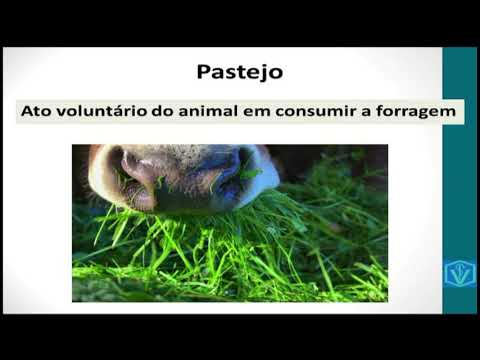
- Voluntary grazing behavior is highlighted as animals choose to consume forage, showcasing their natural feeding habits in a pasture setting.
- Capineiras (forage areas) are discussed as cultivated spaces with high productivity grasses that provide green feed, especially during dry seasons.
- Capineiras can also be utilized for silage production; proper timing in cutting is crucial for maximizing nutritional value for livestock.
- Efficient grass production relies on soil treatment practices such as fertilization and irrigation, with elephant grass being noted for its high yield potential.
Leguminous Plants in Forage Systems
- The role of sugarcane as a gramínea (grass family member) is mentioned, indicating its use in animal feed alongside other forage types.
- Leguminous plants are referred to as "banco de proteína" (protein bank), highlighting their higher protein content beneficial for animal nutrition.
- Careful management of leguminous plants is necessary to prevent overgrazing by animals, ensuring sustainable use without damaging the vegetation.
- The importance of integrating legumes with grasses (consorciada pastagem) is emphasized to enhance soil preservation and improve nutritional quality for livestock.
- Nitrogen fixation by legumes enriches the soil, promoting better growth conditions when combined with various grass species like Panicum and Brachiaria.
Enhancing Livestock Nutrition through Forage Diversity
- Various combinations of legumes and grasses can be used effectively in pastures to optimize animal health and productivity through improved nutrient intake.
- Different strategies exist for creating effective consortia between legumes and grasses that support both animal welfare and environmental sustainability.