O que é inovação: conceitos básicos - Professor Mario Sergio Salerno
Introduction to Innovation Management
Overview of the Course
- Mário Sérgio introduces himself as a professor in the Production Engineering department and coordinator of the project "Nagy," aimed at supporting innovation management.
- The course will differentiate between innovation, invention, and discovery, discussing why companies seek to innovate despite challenges.
Understanding Discovery
- Discovery is defined as a scientific fact or natural phenomenon that requires social validation; for example, discovering salt in seawater or new planets.
- A discovery must be recognized by the scientific community to be validated; historical examples include the colonization of Brazil by Portuguese explorers.
Invention vs. Innovation
- Invention refers to creating something new (e.g., Santos Dumont's airplane), but it does not necessarily lead to market production or industry establishment.
- Innovation is tied to market realization; it involves producing and selling new ideas within contemporary societal rules.
Examples of Innovation
Real-world Innovations
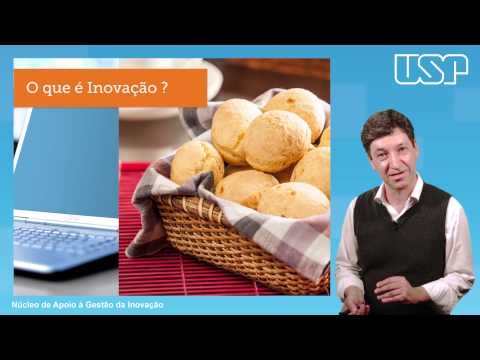
- Examples include frozen cheese bread developed in Brazil, which created a new market for this product.
- Simple innovations like water filters have significantly impacted public health by purifying water and eliminating bacteria.
Market Impact of Innovations
- Innovations are characterized by their ability to generate business opportunities and economic movement; they differ from mere inventions that may not reach the market.
Types of Innovations
Product and Process Innovations
- Various types of innovations exist, including product innovations (like computers), process innovations (such as banking services), and business model innovations.
Historical Context
- The introduction of features like overdraft protection by banks exemplifies how innovation can create competitive advantages in existing markets.
The Nature of Innovation
Systematic Approach to Innovation
- Innovation is more than high technology; it can arise from simple solutions without extensive R&D investment.
- Successful innovation requires systematic work rather than relying on chance or inspiration alone.
Competitive Necessity for Firms
Inovação: O Que É e Como As Empresas Podem Inovar?
A Necessidade de Inovação nas Empresas
- As empresas precisam buscar oportunidades de mercado, desenvolvendo produtos ou serviços que aproveitem novas tecnologias para crescer.
- Mudanças tecnológicas, padrões de consumo, maior competição e alterações nas regulamentações são fatores que impulsionam a inovação nas empresas.
- A inovação não é um evento aleatório; é um processo sistemático que pode ser organizado e gerenciado com métodos e teorias específicas.
Tipos de Inovação
- Diferentes empresas têm necessidades distintas de inovação baseadas em seus modelos de negócios e dilemas específicos.
- A inovação pode ocorrer em várias formas, incluindo inovações radicais que alteram hábitos de consumo e introduzem novos produtos no mercado.
Estrutura do Curso sobre Inovação
- O curso abordará como inovar pela primeira vez, como implementar inovações sistemáticas e os diferentes tipos de inovação disponíveis para as empresas.