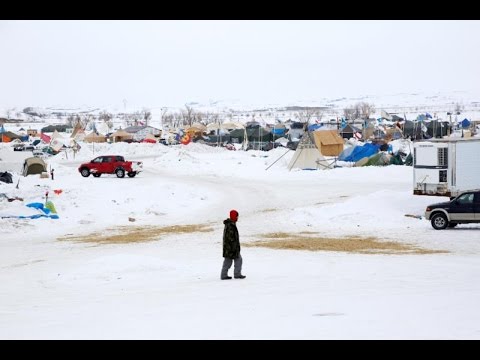
Despite protests, Dakota Access Pipeline nears completion
Dakota Access Pipeline: Controversies and Protests
Overview of the Dakota Access Pipeline
- The Dakota Access Pipeline is designed to transport North Dakota oil through South Dakota and Iowa to an existing pipeline in Illinois.
- Following extensive protests, the Obama administration halted the project, but President Trump reinstated it. A documentary titled Beyond Standing Rock explores the events leading to these protests.
Motivations Behind the Protests
- Protesters from across the nation rallied against the pipeline, driven by concerns over clean water, opposition to big oil, and climate change issues. For the Standing Rock Sioux, it represents a struggle for sovereignty and control over their land.
- The movement has been characterized by misinformation and confusion; over 600 protesters have been arrested during demonstrations that evolved from peaceful gatherings into larger confrontations.
Legal Context and Tribal Sovereignty
- There are legal frameworks permitting pipeline development in North Dakota; companies can obtain permits if they meet specific conditions set by law. This raises questions about tribal sovereignty versus federal regulations.
- The standoff involves multiple issues: tribal sovereignty, energy infrastructure, environmental activism, and federal law compliance. The tribes assert their rights as sovereign nations demanding consultation before projects affect their lands.
Pipeline Specifications and Safety Concerns
- The Dakota Access Pipeline spans nearly 1,200 miles underground with a projected cost of around $4 billion according to Energy Transfer Partners (ETP). ETP claims this method is efficient for transporting crude oil from North Dakota's Bakken region to markets.
- Critics highlight risks associated with a remaining incomplete section of the pipeline that crosses under the Missouri River near reservation lands; concerns focus on potential spills impacting sacred sites and local ecosystems.
Public Sentiment on Environmental Risks
- While proponents argue that pipelines are generally safe with low failure rates, opponents emphasize that even minor spills can have catastrophic effects on communities and environments nearby. Citizens express strong opposition to any risk posed by potential leaks into water sources or landscapes in North Dakota.
- Public hearings held by the North Dakota Public Service Commission did not include discussions on impacts directly affecting Standing Rock members since the pipeline does not cross their reservation territory directly. This exclusion raised further tensions regarding consultation processes with tribal governments.
Federal Consultation Processes
- Federal laws provide tribes a voice in consultations regarding projects like pipelines but do not grant them veto power over such developments; this has led to frustrations among tribal leaders who feel unheard during decision-making processes involving significant infrastructure projects affecting their lands.
- Historical context reveals past grievances where federal actions disregarded Native American interests—such as dam constructions flooding traditional lands—highlighting ongoing struggles for recognition and respect within governmental processes today.
Presidential Engagement
- President Obama made history by visiting Standing Rock in 2014—the first sitting U.S president to do so—emphasizing economic opportunities for Native Americans while acknowledging historical injustices faced by Indigenous communities due to government actions like those surrounding infrastructure developments such as dams or pipelines.(380)
Dakota Access Pipeline Protests and Government Response
Background of the Protests
- During President Obama's 2014 visit, the Dakota Access Pipeline protests gained momentum, energizing the Standing Rock Sioux tribe.
- The tribe filed a lawsuit in federal court claiming that the consultation process regarding the pipeline was fundamentally flawed after most of its route was approved by the Army Corps.
- They argued that the impact on historic properties was not adequately considered during permitting, which is required by federal law even outside reservation boundaries.
Legal Proceedings and Government Actions
- Despite their claims, U.S. District Judge James Bosberg ruled against the Standing Rock Sioux's request to halt construction.
- Following this ruling, the Obama administration intervened to pause the project, marking an unprecedented government action in energy development after losing in court.
Turning Points in Protests
- As protests continued into winter, the Obama administration ultimately blocked a crucial permit needed for construction under a river, leading to a temporary sense of victory for protesters and tribal members.
Shift in Administration Policy
- Just seven weeks later, President Trump issued an executive memorandum on his fifth day in office directing the Army Corps of Engineers to expedite permitting for the Dakota Access Pipeline.