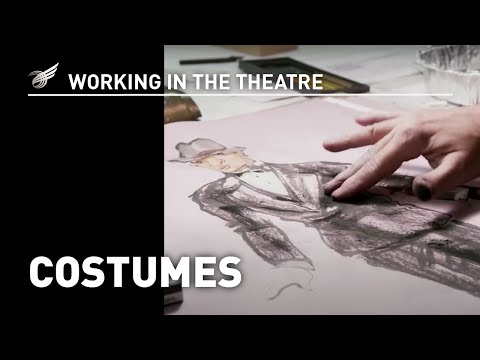
Working In The Theatre: Costumes
Transitioning from Set Design to Costume Design
Early Career and Influences
- The speaker's background is in set design, having studied at Yale Drama School under Ming Choi. They transitioned to costume design due to a lack of job opportunities in scenery.
- Their first major Broadway musical was "Nine," which won them a Tony Award, significantly impacting their career trajectory and confidence as a designer.
Overcoming Designer's Block
- To combat fears of creative stagnation, the speaker has developed a collection of images that inspire them, helping to ward off designer's block.
- They humorously recount how their agent provided comfort during stressful times with panic attack kits containing dimes and Valium, though they never used the medication.
Embracing Opportunities in Theater
Philosophy on Projects
- The speaker emphasizes the importance of saying yes to projects without hesitation, believing that each opportunity can lead to new relationships and experiences within theater.
New York City Influence
- Growing up in 1970s New York City shaped their aesthetic sensibilities; they found beauty amidst urban decay and were influenced by vibrant colors seen in graffiti.
Reality TV and Fashion Design
Project Runway Experience
- The speaker shares their experience auditioning for "Project Runway," where costume designers were initially viewed as less credible than fashion designers.
Learning Under Pressure
- They discovered their ability to produce quality work under stress while also recognizing their impatience when things did not go as planned.
Mentorship and Inspiration
Connection with Charles James
- The speaker recounts reaching out to renowned designer Charles James for advice on a doll they were creating. His encouragement had a lasting impact on their career.
Fitting Rooms: A Creative Space
Importance of Fittings
- The fitting room is described as an essential space for connecting with actors; it allows for deep discussions about character development before finalizing costumes.
Understanding Character Through Clothing
- The initial question posed during fittings focuses on understanding the character rather than simply asking if the actor likes what they're wearing.
Challenges in Costume Design
Waistline Adjustments for Men’s Costumes
- Discusses challenges faced when adjusting waistlines for male costumes, emphasizing historical differences compared to contemporary styles.
Craftsmanship in Costumes
- Reflecting on past works like "Annie Get Your Gun," the speaker highlights the importance of craftsmanship in costume design, particularly regarding unique materials like leather chaps.
Color Dynamics in Black & White Productions
Techniques for Dynamic Visual Appeal
- Discusses strategies for maintaining visual interest in black-and-white productions by incorporating skin tones into designs, inspired by Willa Kim’s techniques.
Personal Style Choices
Dressing as a Designer
- Shares insights about personal wardrobe choices over decades; emphasizes that costume designers should avoid wearing overly interesting clothes that distract from their work focus.
Fabric Management Across Productions
Managing Costumes Over Time
- Talks about challenges related to fabric availability over time when shows run long; expresses love for finding fabrics that evoke memories of past productions.
Conceptualizing Designs
Creating Concept Boards
- Describes using concept boards at the end of productions to encapsulate the essence of each show visually; this practice aids future design processes.
Storytelling through Costume Design
Narrative Elements
- Explains how costumes contribute significantly to storytelling within musicals like "Bullets Over Broadway," focusing on color schemes and character dynamics.
Childhood Inspirations
Early Creativity
- Recounts an early childhood memory involving sewing a ruffled collar for their dog, marking it as an initial spark towards becoming a costume designer.