Ano profético é paganismo | Pastor Rodrigo Mocellin
Understanding Prophetic Claims for the New Year
Critique of New Year's Rituals
- The speaker contrasts traditional New Year's practices, such as jumping over seven waves and wearing white, with evangelical beliefs that focus on prophetic declarations for the upcoming year.
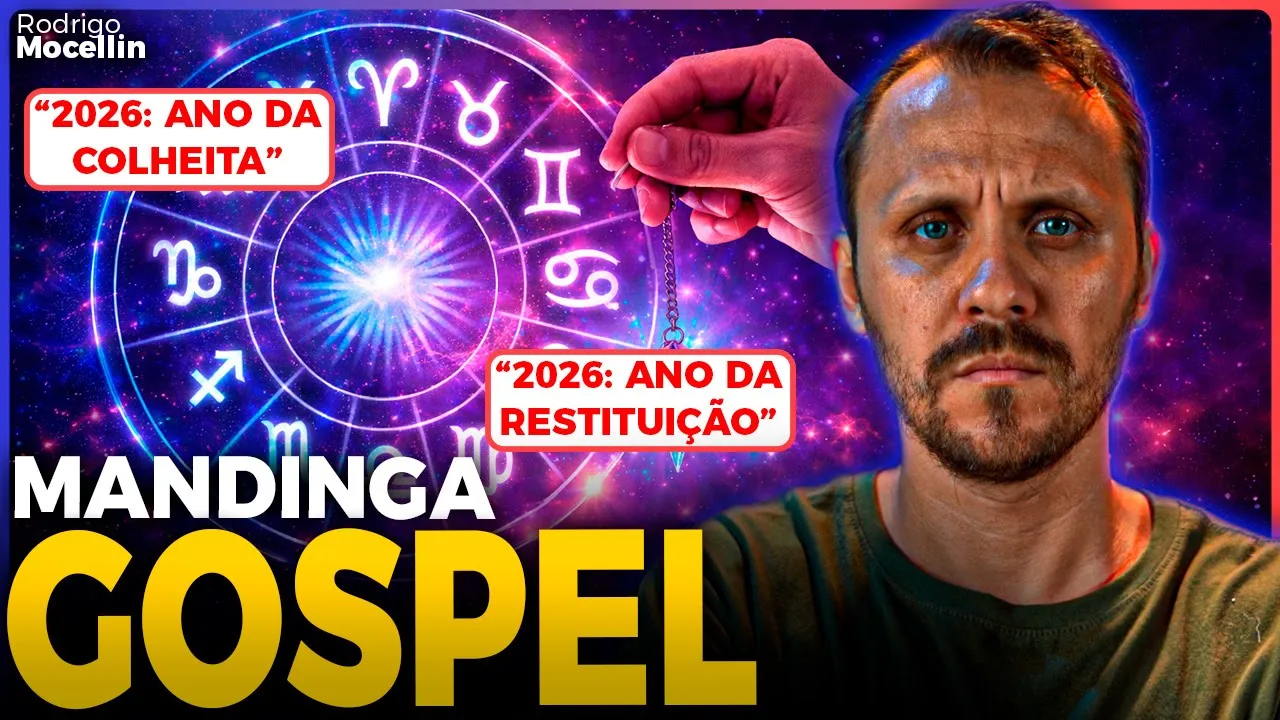
- Emphasis is placed on the idea that evangelicals proclaim 2026 as a year of restitution and harvest based on supposed divine revelations.
Questioning Divine Communication
- The speaker challenges how self-proclaimed prophets claim to hear from God, questioning the validity of their experiences and suggesting they often lack concrete evidence.
- A critical tone is adopted towards pastors who assert direct communication from God without accountability or scriptural backing.
Biblical Foundations vs. Pagan Beliefs
- The speaker references Deuteronomy to highlight the seriousness of speaking in God's name without His command, equating false prophecies with paganism.
- There’s a discussion about how claims regarding calendar changes affecting spiritual realities are rooted in astrology rather than biblical teachings.
Astrology vs. Biblical Teachings
- The speaker explains how astrological beliefs assign characteristics to years based on celestial movements, drawing parallels between these ideas and prophetic declarations made by pastors.
- An example is given where astrologers predict behaviors based on zodiac signs, which mirrors how some pastors declare specific themes for each year.
Individual Life Stages vs. General Prophecies
- The concept of Jubilee in Israel is contrasted with modern prophetic claims; while Jubilee had specific biblical significance, current declarations lack individual relevance.
- The speaker argues against blanket statements like "year of harvest," emphasizing that personal circumstances dictate one's life phase rather than generalized prophecies from pastors.
Consequences of Misguided Beliefs
- There's concern that misleading prophecies can lead individuals to make poor financial decisions based on false expectations set by church leaders.
- Ultimately, the speaker asserts that natural cycles (like Earth's orbit around the sun) do not influence spiritual outcomes; true change comes from personal growth and context rather than arbitrary proclamations.
Faith, Repentance, and Hard Work
The Path to Growth
- Emphasizes the importance of faith, repentance, and hard work over time as essential elements for personal growth and development.
- Highlights that one does not need mystical practices or astrology for motivation; instead, reliance on God's blessings is sufficient.
- References biblical teachings to illustrate that true believers are victorious and should find strength in their faith rather than external influences.
- Quotes David's assurance of God's presence even in difficult times, reinforcing the idea that joy can be found in faith despite uncertainty about the future.
- Encourages listeners to rely solely on God's word for hope and courage regarding the upcoming year without succumbing to fear.