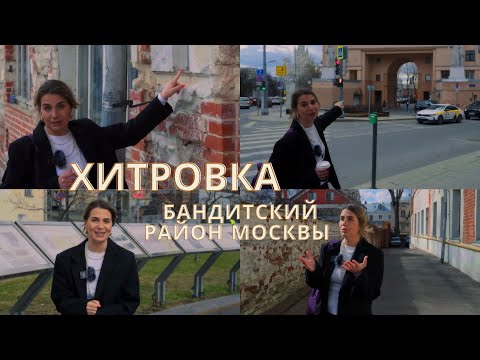
Хитровка. Злачный район Москвы. Прогулка по Хитровке с Ириной Борзовой.
Exploring Hitorovka: A Historical Walk Through Moscow
Introduction to Hitorovka
- Ирина Борзова introduces herself and the channel, inviting viewers to explore the historical significance of Hitorovka Square in Moscow.
- She encourages viewers to like and subscribe for future content.
The Atmosphere of Hitorovka
- Describes Hitorovka as a quiet, cozy historical center with benches and informational boards detailing the area's history.
- Notes that in the late 19th century, there were no streetlights, as it was considered unsafe for outsiders.
Origins of Hitorovka Market
- Discusses Nikolai Zakharovich Khitrov's initiative to create a market by purchasing land near his home.
- Initially intended for local farmers to sell fresh produce, the market quickly attracted marginalized individuals leading to its decline.
Reputation and Social Issues
- Highlights how Hitorovka gained notoriety as a hub for criminals and low-income individuals, with around 11,000 residents living in dire conditions.
- Mentions "rakis," a term used for the lowest social class residing in night shelters who engaged in petty crime.
Life on Hitorovka
- Explains how "rakis" lived isolated lives within their shelters, often involved in illegal activities such as selling stolen goods.
- Discusses professional beggars who would rent infants from mothers unable to care for them to increase their earnings through sympathy.
Medical Care at Hitorovka
- Introduces Dr. Kuvshinnikov, who chose to provide medical care for the impoverished rather than wealthy aristocrats.
- Shares anecdotes about Dr. Kuvshinnikov’s wife being an artist influenced by famous contemporaries like Levitan.
Cultural References and Artistic Connections
- Suggests reading Chekhov's story "The Jumping Girl" for insights into Dr. Kuvshinnikov's life and work.
Criminal Elements of Society
- Describes "cats" (convicts marked with tattoos), who lived alongside locals known as "marukhi," indicating a cycle of crime among youth raised in this environment.
Notorious Establishments
- Details three notorious taverns where marginalized people gathered; one named “Katorga” was exclusive to convicts and criminals.
Architectural Insights
- Discusses recent restorations revealing ancient structures beneath modern facades on Hitorovka Square.
Modern-Day Reflections
- Contrasts past conditions with current developments showing how much has changed over time while retaining some historical elements.
Film Connections
- Mentions that scenes from the film “Brother 2” were shot here, highlighting its cultural relevance today.
Gentrification vs. History
- Observes that despite being close to affluent areas like the Kremlin, parts of Hitorovka retain an old-world charm reminiscent of rural Russia.
Community Changes Over Time
- Reflect on how police raids led residents to develop escape routes through underground passages during crackdowns on criminal activity.
Conclusion: The Evolution of Hitorovka
- Concludes by noting that while once a haven for outcasts and criminals, today’s Hitorovka is becoming more integrated into modern Moscow society while still preserving its rich history.