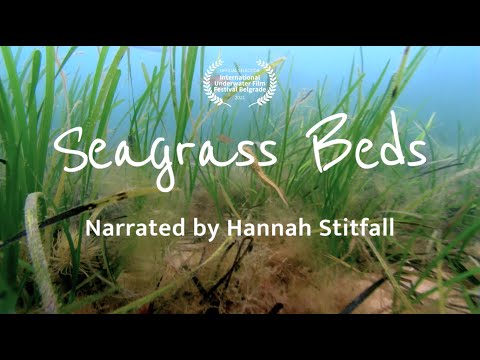
Seagrass Beds: Prairies of the Sea
Seagrass: The Vital Underwater Ecosystem
Importance of Seagrass Beds
- Seagrass beds are found in shallow waters globally and are among the most productive ecosystems, potentially covering up to 600,000 square kilometers.
- With over 70 species, seagrasses capture carbon at rates up to 35 times faster than tropical rainforests, making them crucial in combating climate change.
Ecological Benefits
- These underwater meadows slow marine currents, trapping sediments and plastics, which reduces coastal erosion and enhances water quality.
- Seagrass provides food and shelter for thousands of species; for example, pipefish use camouflage among leaves while small spotted cat sharks utilize meadows as nursery grounds.
Threats to Seagrass Meadows
- Despite their ecological value—estimated at $1.9 million per square kilometer—seagrass is rapidly declining due to coastal development and dredging.
- In the Maldives, around 50% of tourist resorts have removed seagrass meadows to enhance beach aesthetics.
Major Threat Factors
- Seagrasses face five significant threats: over-exploitation, physical modification, nutrient pollution, introduction of non-native species, and climate change.
- Declines often result from a combination of these threats but restoration efforts are underway.
Restoration Efforts
- Project Seagrass has launched the UK's largest seagrass restoration initiative by planting one million seeds in collaboration with Swansea University and WWF.
- The Virginia Institute of Marine Science has successfully restored over 36 square kilometers of seagrass as part of a long-term project.
Call to Action
- Individuals can contribute by donating or volunteering for seagrass protection projects or participating in citizen science initiatives like using the "Seagrass Spotter" app.
- Understanding the importance of seagrasses is vital for ocean health; collective efforts are essential for their recovery and thriving.