LECCIÓN 11: DIRECCIÓN Y LIDERAZGO
Introduction to Direction and Leadership
Overview of Direction in Organizations
- The speaker, Magíster Jandira, introduces the topic of direction and leadership, emphasizing its relevance for professional development.
- Historically, organizational direction focused on the power held by individuals at the top rather than facilitating teamwork.
- In modern contexts, there is a shift towards less bureaucratic leaders who are more accessible and collaborative with their teams.
Understanding Direction as a Process
- Direction is defined as a continuous process aimed at achieving results through active collaboration with others.
- There are two primary methods to achieve objectives: individual task execution or coordinating and controlling team efforts while assuming responsibility for outcomes.
Levels of Management and Their Functions
Variability in Managerial Roles
- The functions and skills required from managers vary significantly depending on their organizational level; leading a department differs from managing a multinational corporation.
- Successful management in one industry (e.g., restaurants) does not necessarily translate to success in another (e.g., banking).
Executive vs. Middle Management Responsibilities
- Executives focus on defining an organization's future vision, mission, and strategies that guide operations.
- Middle managers support executives by supervising direct reports and managing external relationships while ensuring strategic alignment.
Challenges Faced by Managers
Pressures at Different Levels
- Managers often face pressures from both upper management and lower-level employees, complicating their roles.
- Middle managers must balance directives from higher-ups with responsibilities toward their subordinates.
Distinction Between Direction and Leadership
Defining Leadership
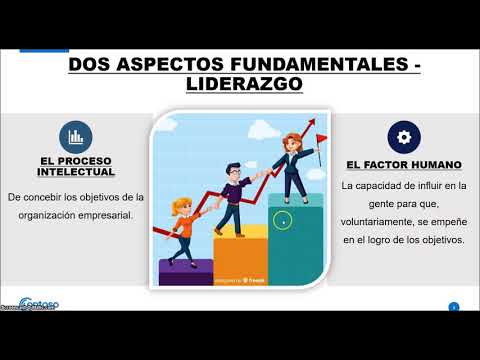
- Leadership involves influencing others' behavior towards achieving organizational goals through various means.
Key Aspects of Effective Leadership
- Two critical components of leadership include intellectual understanding of organizational objectives and the ability to motivate people voluntarily towards those goals.
Authority vs. Influence
- Not all leaders hold formal authority; effective leadership can occur regardless of one's position within an organization.
Power Dynamics in Leadership
Understanding Power in Organizations
- Legitimate power becomes authority when recognized within an organization; leaders use different tactics to influence subordinates effectively.
Tactics for Influence
- Coercive tactics involve pressure or threats to ensure compliance among team members based on fear or dependency.
Functions of Management
Key Functions in Management
- The primary functions of management include understanding facts and setting objectives, which are essential for effective goal-setting.
- Organizing and evaluating resources is crucial to ensure that the right means are available for achieving set goals.
- Leadership involves directing people effectively, highlighting that not everyone possesses the necessary skills for high-level management roles.
- Analyzing internal and external factors helps determine the feasibility of decisions, allowing managers to understand strengths and weaknesses within their teams.
- Utilizing a SWOT analysis (Strengths, Weaknesses, Opportunities, Threats) aids in identifying both internal capabilities and external challenges.
Skills Required for Effective Management
- Effective leadership is considered an art; not all individuals are suited for every managerial position due to varying skill sets required.
- Building strong labor relations is fundamental; preparation is key when stepping into executive roles across departments.
- Delegation of tasks must be analyzed carefully; it’s important that employees not only complete tasks but also achieve desired outcomes.
Importance of Delegation
- Delegating responsibilities allows managers to transfer decision-making authority while fostering trust among team members.