17.- HTA med interna 27 de marzo
New Section
In this section, the speaker discusses the factors influencing blood pressure and the risks associated with hypertension.
Factors Affecting Blood Pressure
- Blood pressure is determined by cardiac output and peripheral vascular resistance.
- Cardiac output depends on heart rate and stroke volume.
- Hypertension increases the risk of cardiovascular diseases such as stroke and heart attack.
- Controlling blood pressure can significantly reduce the risk of stroke, heart attack, and heart failure.
New Section
This part focuses on the importance of managing hypertension through lifestyle changes and medical interventions.
Managing Hypertension
- Controlling blood pressure leads to a decrease in cardiovascular complications.
- Evaluating a hypertensive patient involves assessing lifestyle, identifying primary or secondary causes, and checking for organ damage.
- Diagnostic methods for hypertension include physical exams, electrocardiograms, radiography, and eye examinations.
New Section
The speaker elaborates on diagnostic techniques for hypertension assessment.
Diagnostic Techniques
- Diagnosis involves history-taking, physical examination, and blood pressure measurement.
- Ambulatory blood pressure monitoring over 24 hours provides comprehensive data for diagnosis.
New Section
This segment explores risk factors for hypertensive heart disease.
Risk Factors
Hypertension and its Effects
In this section, the speaker discusses hypertension in newborns, focusing on the diagnosis of coarctation of the aorta and the impact of hypertension on various organs.
Hypertension Diagnosis and Organ Damage
- Hypertension can lead to heart issues such as left ventricular hypertrophy, potentially causing conditions like heart failure, atrial fibrillation, and even hemorrhagic strokes in the brain.
- Laboratory tests for hypertension include an electrocardiogram, urine analysis for microalbuminuria or protein presence indicating kidney damage, glucose levels assessment for diabetes evaluation, and electrolyte levels check among others.
- Lipid profile testing after fasting helps assess cardiovascular risk factors. Ideal levels include high-density lipoproteins above 50 and low-density lipoproteins below 70 to reduce the risk of heart attacks.
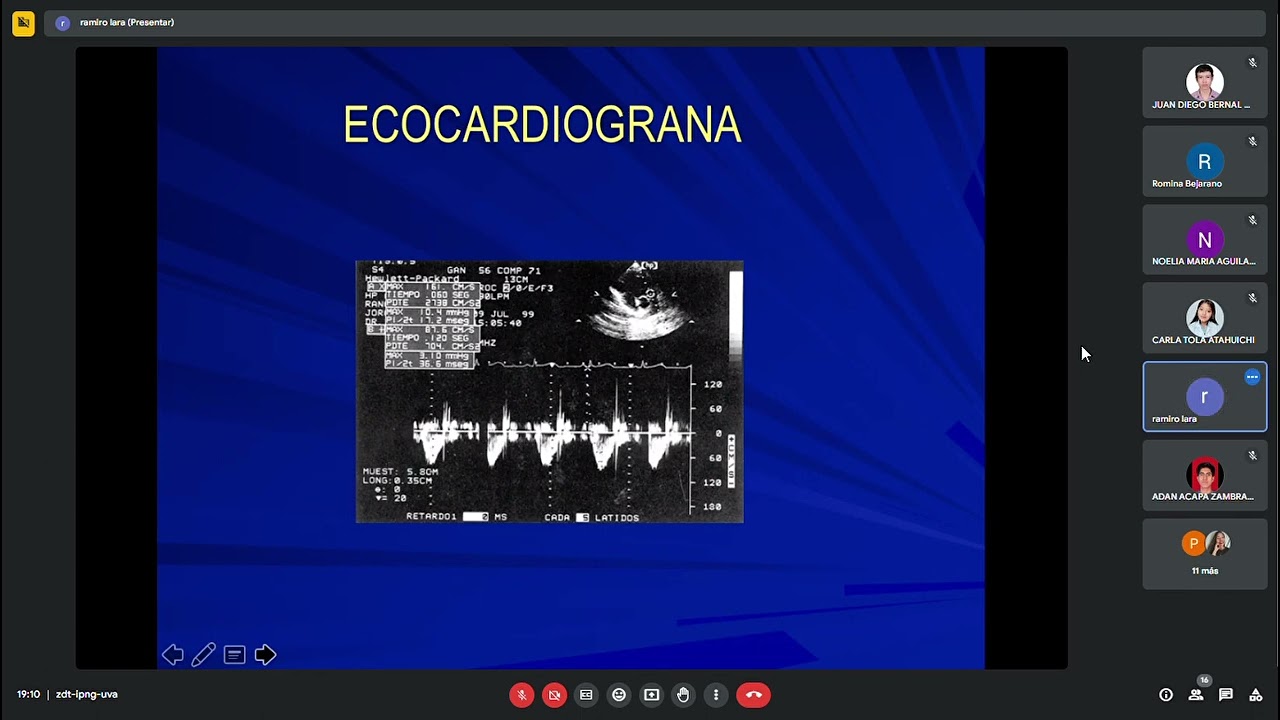
- Echocardiography aids in evaluating cardiac structure, identifying hypertrophy or abnormalities. A normal ejection fraction (above 55%) is crucial for hypertensive patients.
Treatment Objectives and Non-pharmacological Approaches
- Treatment goals involve preventing atherosclerosis development by controlling lipid profiles. Maintaining blood pressure below 140/80 mmHg is essential.
- Non-pharmacological interventions include weight loss (10kg reduction can lower pressure by 10mm Hg), healthy eating habits, reduced salt intake (<3g/day), regular physical activity (4-9mm Hg reduction), and moderate alcohol consumption control (2-4mm Hg decrease).
- Pharmacological treatments encompass a range of antihypertensive medications like diuretics, central sympatholytics, ACE inhibitors, calcium channel blockers to manage blood pressure effectively.
Pharmacological Treatment Strategies
This segment delves into specific pharmacological treatment options for hypertension based on patient classification and response to initial therapies.
Initial Medication Selection Based on Patient Classification
- If initial lifestyle modifications fail to achieve target blood pressure levels (<140/90 mmHg or <130/80 mmHg in specific cases), starting with thiazide diuretics is common practice unless contraindicated.
- Patients are classified into different stages based on their blood pressure readings. Grade one hypertension (140–159 systolic / 90–99 diastolic) often initiates treatment with diuretics primarily.
- For grade two hypertension (>160 systolic / >100 diastolic), combination therapy involving two drugs like diuretics plus beta-blockers or calcium channel blockers may be necessary.
Special Situations and Refractory Hypertension
Detailed Overview of Hypertension Management
In this section, the speaker discusses the classification and management of hypertension in adults, emphasizing the importance of continuous and indefinite treatment to prevent complications.
Utilization of Vasodilators for Blood Pressure Management
- The speaker mentions the use of 5-6 vasodilators for managing blood pressure effectively.
- It is crucial to classify and manage hypertension in adults regularly to ensure proper control and monitoring.
Importance of Continuous Treatment
- Treatment for hypertension should be continuous and indefinite to prevent complications.
- Monitoring potassium levels and creatinine in hypertensive patients is essential for assessing renal function.
Follow-Up and Control Measures
- Regular follow-up every month is necessary, especially for patients with comorbidities like heart failure or diabetes.
- Urgency and emergencies in hypertensive patients are defined by acute organ damage due to high blood pressure.
Understanding Hypertensive Emergencies
This part delves into defining urgency and emergencies in hypertensive patients based on acute organ damage caused by elevated blood pressure.
Differentiating Urgency vs. Emergency
- Patients with marked increases in blood pressure leading to acute organ damage require hospitalization.
- Conditions such as encephalopathy, myocardial infarction, unstable angina, heart failure, or stroke necessitate intensive care.
Factors Indicating Hospitalization
- Patients with life-threatening conditions like cerebral hemorrhages or aortic dissections need immediate hospitalization.
- High blood pressure without acute organ damage may not require hospital admission but demands close monitoring.
Causes of Refractory Hypertension
This segment explores refractory hypertension causes related to improper medication adherence, dietary factors, drug interactions, and underlying health conditions.
Factors Contributing to Refractory Hypertension
- Inadequate medication adherence, excessive sodium intake, inappropriate diuretic therapy can lead to refractory hypertension.
- Drug interactions with substances like NSAIDs or sympathomimetics can also contribute to treatment-resistant hypertension.
Risk Factors & Treatment Approaches
Discusses risk factors associated with systolic blood pressure in adults over 50 years old and highlights lifestyle modifications along with pharmacological interventions for managing hypertension effectively.
Risk Factors & Lifestyle Modifications
- Systolic blood pressure holds more significance as a cardiovascular risk factor in individuals over 50 years old.
- Lifestyle changes including diet adjustments are crucial for preventing cardiovascular diseases associated with prehypertension.
Pharmacological Interventions
- Diuretics, beta-blockers, calcium channel blockers are commonly prescribed antihypertensive medications.
Doctor's Insights on Hypertension Management
In this segment, the doctor provides insights on managing hypertension in elderly patients, emphasizing the importance of careful medication adjustments to avoid adverse effects.
Understanding Hypertension Management in Elderly Patients
- When dealing with elderly patients with hypertension, especially those with high blood pressure levels (e.g., 160 or higher), it is crucial to consider the potential risks of reducing blood pressure too drastically.
- Managing systolic arterial hypertension in older adults differs from younger patients due to the increased risk of ischemic cerebrovascular events if blood pressure is abruptly lowered.
- Adjusting medication dosages for elderly patients with high blood pressure requires a personalized approach based on factors such as age, comorbidities, and individual response to treatment.
- There are no fixed protocols for reducing medication doses in elderly hypertensive patients; adjustments should be made cautiously to prevent compromising cerebral perfusion and causing adverse events like strokes.
- Careful monitoring and individualized treatment plans are essential when managing hypertension in the elderly population to avoid complications such as hypotension leading to stroke.
Optimizing Detection and Management of Hypertension
The discussion shifts towards optimizing the detection and management of hypertension through tailored approaches based on risk assessment criteria.
Risk Assessment Criteria for Hypertension Detection
- Risk assessment criteria categorize individuals into low, moderate, or high-risk groups based on factors like age, weight status, and blood pressure readings.
- Monitoring frequency varies depending on the patient's risk level: every five years for moderate risk individuals and annually for those at high risk of developing hypertension.
- Confirming a diagnosis of hypertension above 140/90 mmHg involves additional tests like ambulatory blood pressure monitoring (ABPM) outside clinical settings to ensure accurate readings.
- Tailoring treatment strategies according to cardiovascular risk stages (e.g., uncomplicated disease vs. symptomatic disease) helps optimize care and outcomes for hypertensive patients.
Treatment Strategies for Hypertension Control
The doctor outlines non-pharmacological interventions and discusses a structured approach involving multiple medication escalations for effective hypertension control.
Non-pharmacological Approaches and Medication Escalation
- Implementing non-pharmacological interventions alongside medication escalation is crucial for comprehensive hypertension management.
Treatment Strategies for Hypertension
In this section, the speaker discusses treatment strategies for hypertension, focusing on medication combinations and considerations based on patient characteristics.
Prioritizing Monotherapy in Low-Risk Hypertension Patients
- Elderly or fragile patients should avoid multiple medications to prevent complications.
- Combination therapy with a diuretic is recommended, starting with low doses.
Treatment Progression: Double Combination Therapy
- Consider using beta-blockers in specific cases like heart failure or atrial fibrillation.
- Triple combination therapy may include a pill combining a diuretic, ACE inhibitor, and calcium antagonist.
Comprehensive Treatment Approaches
- Utilize triple combination therapy when necessary for complete dosing.
Medication Regimen for Hypertension Management
This segment delves into the medication regimen for managing hypertension, outlining monotherapy and combination options based on blood pressure control levels.
Monotherapy and Dual Combination Options
- Monotherapy choices include diuretics, calcium channel blockers, ACE inhibitors, and beta-blockers.
- Dual therapy can involve combinations like ACE inhibitors with calcium channel blockers or diuretics.
Triple Medication Combinations
- For uncontrolled hypertension after dual therapy, consider adding spironolactone as the fourth drug.
Classifying Hypertension Control Levels
- Categorize hypertension control based on the number of medications used and blood pressure readings.
Defining Resistant Hypertension
The discussion focuses on defining resistant hypertension based on medication usage and blood pressure control levels.
Understanding Resistance in Hypertension Management
- Uncontrolled hypertension with two medications is termed "uncontrolled."
- Controlled hypertension with three to four drugs is labeled "resistant controlled."
Identifying Refractory Hypertension
New Section
In this section, the speaker discusses the treatment of refractory hypertension and the importance of proper medication management.
Medication Management for Refractory Hypertension
- Over five medications are used for refractory hypertension.
- Initial treatment involves lifestyle changes followed by specific medications.
- Medications include ACE inhibitors, calcium channel blockers, spironolactone, beta-blockers, alpha-blockers, and direct vasodilators.
- Criteria for defining resistant hypertension based on medication use and blood pressure control.
- Naming conventions based on blood pressure control and medication usage.
New Section
This part emphasizes the impact of hypertension on mortality rates and the importance of managing it effectively.
Impact of Hypertension on Mortality
- Hypertension contributes to 10% of global mortality due to conditions like stroke, heart attack, and chronic kidney disease.
- The goal is to maintain a healthy heart without complications in target organs.
- Concluding remarks about mortality rates related to hypertension.